
GMP’s specialist investigators tackling drugs sold online and social media sites
Main article content
In GMP we have a team of experts that specialise in tackling serious organised crime, including the modern-day issue of drugs being sold on websites and via QR codes.
Organised criminals have always found ways to advertise their products to potential customers.
Selling drugs via QR codes that lead to online sites is merely a modern method that dealers may exploit to make a transaction discreet and convenient for the customer, while trying to avoid detection by police.
This may appeal to predominantly young people who are looking to buy ‘party drugs’, particularly in student areas – which dealers often target.
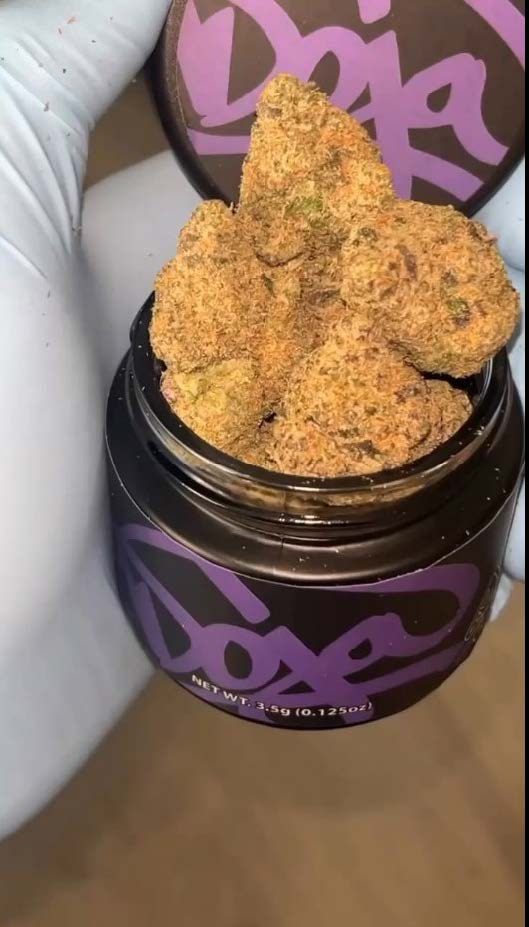
Police are aware of the new trends and methods organised criminals choose to advertise the sale of drugs and are constantly working to stay at least one step ahead of them.
But tackling this issue is complex and requires a team of professionals with specific expertise in a variety of areas, as they work together to bring these offenders to justice, prevent dangerous drugs and weapons from entering our streets and keep people safe.

Detective Superintendent Joe Harrop is head of our Serious and Organised Crime Unit (SOCU), he said: “The number of drugs being sold online and via QR codes is a fairly small percentage. That being said, we have modernised, and doubled the size of our Cyber Crime Unit.
“We are also one of only five forces to have a dedicated county lines task force, which is really successful.
“As part of that task force, we’ve got social media investigators whose role is to specifically look at the online drugs market and find ways for us to tackle it. So, I think we’re well placed from a police perspective to deal with it.”
Detective Constable Rhiann O’Malley, a social media investigator, said: “The majority of social media apps allow you to share your profile via a QR code. There’s QR codes that lead to a social media profile selling drugs, and then you have QR codes leading to traditional websites selling drugs.
“A popular trend of a lot of drugs sold online is the use of the postal system, which and many young people seemingly prefer because it removes the risk of you having to interact with anybody.
“That is the benefit of social media - you never have to meet somebody on a dark corner of you get it delivered to your home address.
“Scams are also quite common, and people do run the risk of opening up their devices to malware and spam when scanning these.
“People could find themselves subject to fraud rather than successfully buying drugs.”
Detective Superintendent Harrop added: “We’ve upped the full infrastructure of the police to deal with this modernisation in terms of how crime has evolved. So, if there is an online component, we have officers to deal with it.
“We have a dedicated account freezing order team that can freeze assets of those who sit behind these websites. We also have the Cyber and Economic Crime Awareness Service (CECAS), which go to schools and engage with young people about online threats, which includes the dangers of buying drugs online. It’s about dealing with all of it.”
Officers work alongside partners when tackling organised crime, and in this instance, they would work alongside Mike Linnell, Co-ordinator of Greater Manchester Drug Early Warning System (GMDEWS) - a multi-agency system funded by Greater Manchester Combined Authority (GMCA).
The GM System has two parts, one is a Local Drug Information System (LDIS) which is made up of over 1,000 Greater Manchester professionals who work with people who use drugs (treatment workers, NHS staff, hostels, and homeless services), including many GMP officers.
Mr Linnell said: “I keep this online network up to date with any new developments, answer questions, ask if any particular trends I have been notified of have been seen by others in the network.”
The other part of the system is the GM Drug Alert Panel. This group investigates incidents when they occur, including getting drugs tested through MANDRAKE (GMP, MMU and Home Office licensed testing lab). They make recommendations for actions, and warnings.
Here’s a recent example case of when this team of experts, worked together to bring one such offender, Ivan Hoque, to justice.

Investigators uncovered that Hoque was using an encrypted online chat to advertise the sale of cannabis, ketamine, and other cannabis products such as edibles and Tetrahydrocannabinol (THC) liquid vapes along with a mobile number for potential buyers to contact.
On 25 November 2024, officers conducted a warrant at Hoque’s home address where upon entry, they were met with him stood on the upstairs landing yielding a machete.
He was subsequently arrested on suspicion of being concerned in the supply of class B drugs and possession of an offensive weapon in a private place.
Following a search of his address, several items were seized including a large quantity of drugs, a large quantity of cash, a burner phone, digital scales and snap bags, a machete and a zombie knife.
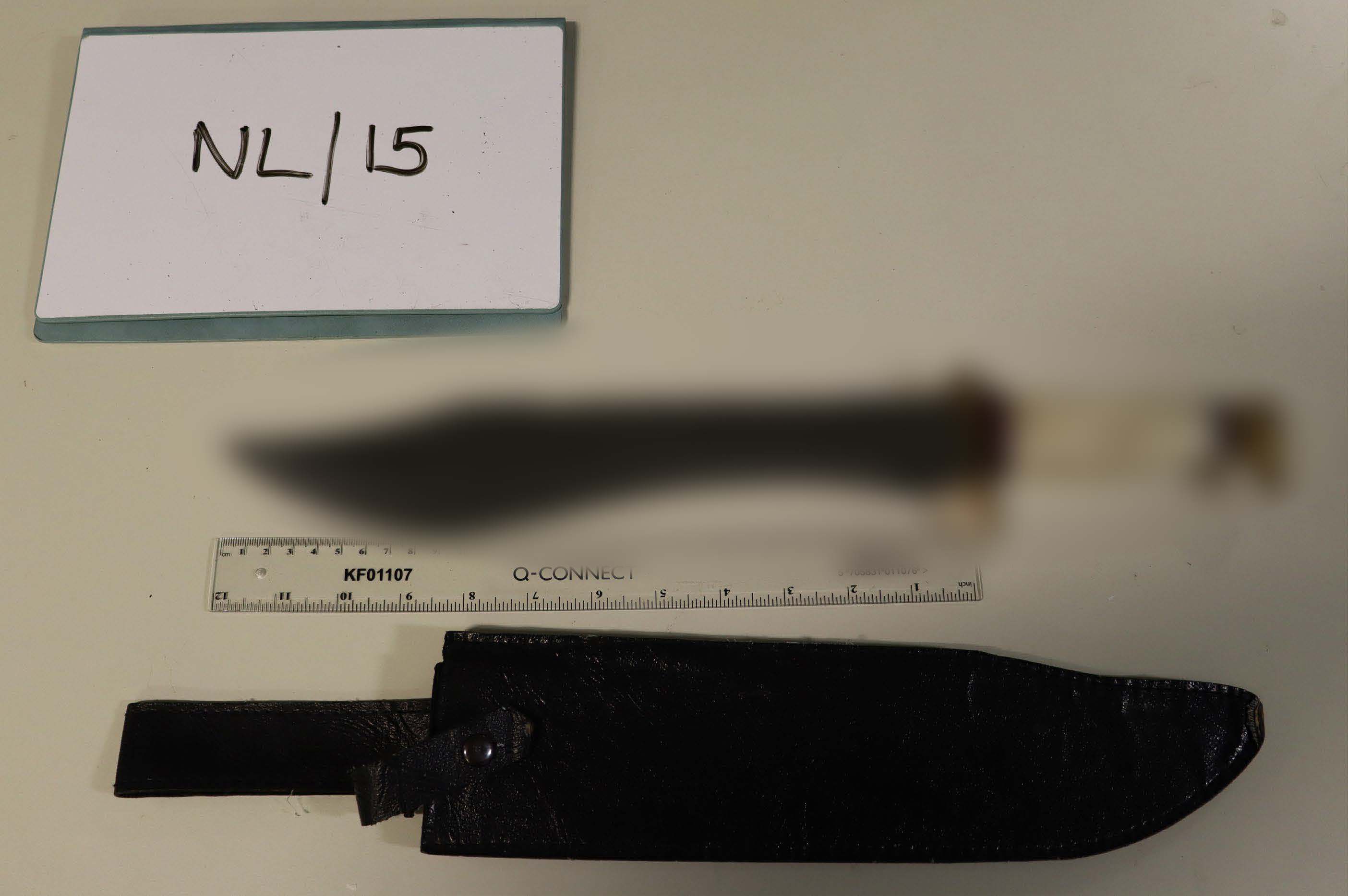
Hoque pleaded guilty to possession with intent to supply Methylenedioxymethamphetamine (MDMA) and cannabis, being concerned in the supply of cannabis and ketamine, and possession of an offensive weapon in a private place.
On 27 March 2025 at Minshull Street Crown Court, Hoque (b.10/03/2006) of Collingwood Way, was sentenced to 24 months concurrent in prison.